
 Destinations · United Kingdom
One-year master’s degrees, three-year bachelor’s degrees, and costs you can plan for
The UK is often the first country families consider, and there are good reasons for that. A master’s takes one year, a bachelor’s takes three, and the degrees are recognised in most countries. It is not cheap, and the rules on money, dependants and post-study work have become stricter since 2024. With clear numbers in front of you, it still works well.
The facts, as of November 2026
- Intakes
- September · January
- English
- The visa needs CEFR B2 at degree level, which universities usually treat as IELTS 6.0 to 6.5 overall. Many accept PTE, TOEFL or strong Class 12 English marks instead. Check per course, because the university sets the real requirement.
- Tuition
- GBP 12,000 to 30,000 per yearEstimate as of November 2026. The British Council’s Study UK guide puts international fees at about £11,400 to £38,000 a year for bachelor’s degrees and £9,000 to £30,000 for a master’s. Medicine, dentistry and MBA courses cost more.
- Living
- GBP 11,000 to 17,000 per yearEstimate as of November 2026, based on the British Council’s guide of £900 to £1,300 a month outside London and £1,300 to £1,400 in London. The visa’s maintenance requirement is a separate, fixed figure, see visa.
- Work during study
- Up to 20 hours a week in term time on a degree-level course, and more during official vacations. Self-employment and freelance work are not allowed (UKCISA, as of November 2026).
- After you graduate
- The Graduate visa lets you stay and work after your degree: two years if you apply on or before 31 December 2026, 18 months if you apply on or after 1 January 2027, and three years after a PhD. It costs £937 plus £1,035 a year in health surcharge (GOV.UK, as of November 2026).
Student visa
- •Money to show, as of November 2026: £1,171 a month outside London or £1,529 a month in London, for up to nine months, plus any unpaid first-year fees. The funds must stay in the account for 28 consecutive days.
- •From 30 November 2026 those figures rise to £1,203 and £1,570 a month for new applications (Statement of Changes HC 584, 3 September 2026).
- •Fees: £558 for the visa from outside the UK, plus the Immigration Health Surcharge of £776 for each year of the visa, paid upfront (as of November 2026).
- •You can apply up to six months before your course starts, and a decision usually takes about three weeks.
- •Dependants: only PhD and research students, or government-sponsored students, can bring a partner or children (courses starting from 1 January 2024).
What studying here is like
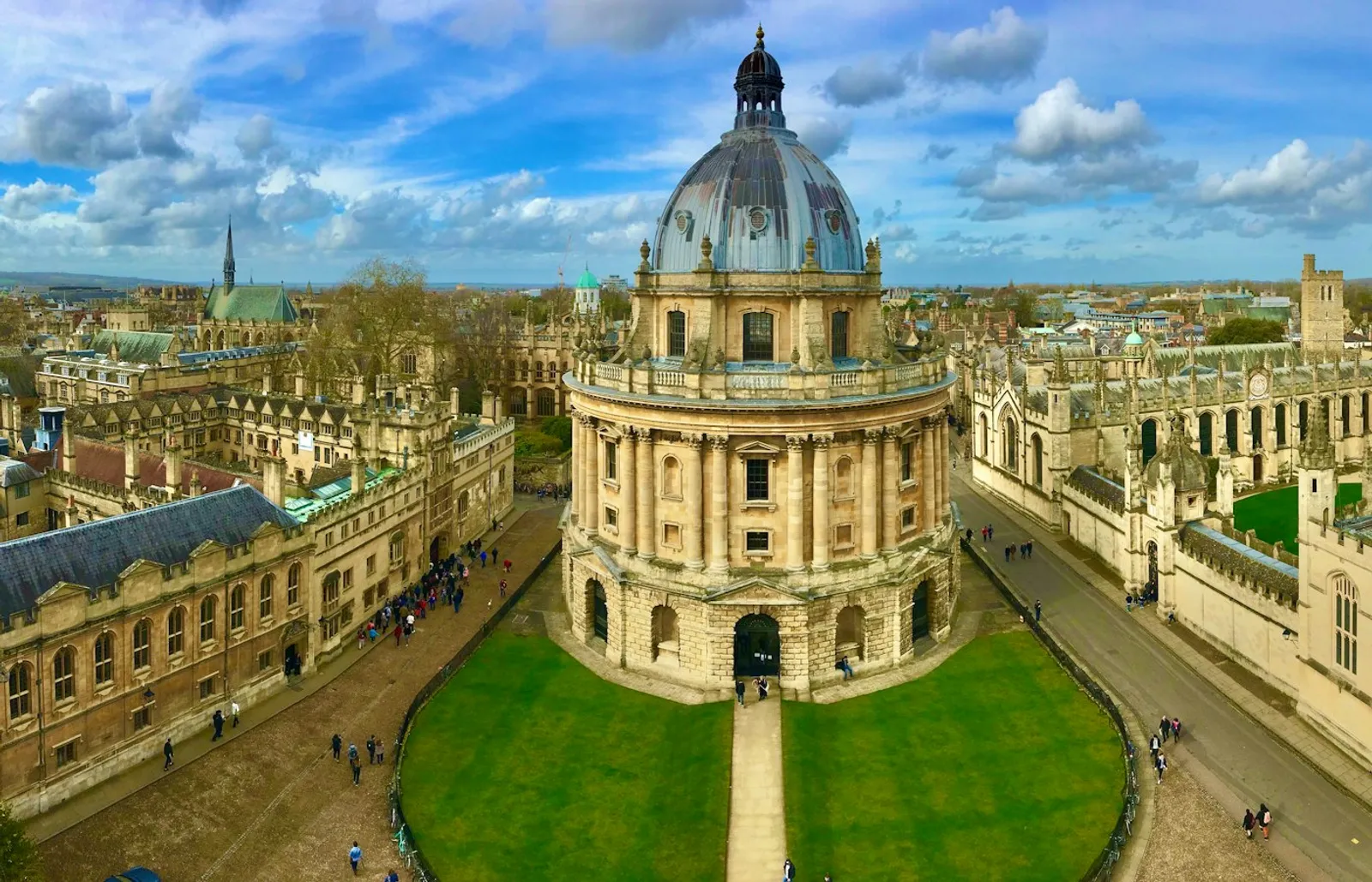
Lectures are shorter than most students expect, and the reading list is longer. British universities want you to build an argument rather than memorise, so the first term can feel strange if you have come from a system based mainly on examinations. Most students settle in by Christmas. Campuses are mixed and friendly, and Indian student societies are common. In cities such as Southampton, Leicester or Glasgow, a temple, a cricket ground and an Indian grocery shop are a short bus ride away. The weather is grey, people are polite, and the libraries stay open late.
How the journey works
Tell us where you want to study, and we will be honest about whether the UK fits your budget and your subject. Shortlisting happens about a year before you want to start. Courses that begin in September open in the previous autumn, and the best offers go early. Most of the documents are ones you already have: Class 12 marks, degree transcripts, an English test, a statement of purpose and two references. The wait from application to offer is usually two to six weeks for a master’s. Once you accept and pay the deposit, the university issues your CAS, and the visa can be filed up to six months before the course starts. Decisions usually come back in about three weeks. A student starting in September should have the money settled in the account by May and the visa filed by July. After that come flights, a bank account and your first lecture.
Money, honestly
Add the figures above together and a one-year master’s outside London costs between £23,000 and £47,000 in total, before flights and the health surcharge. The visa maintenance figure is a minimum set by the government, not a budget. The £1,171 a month outside London assumes shared housing and cooking at home. The headline numbers leave out the deposit, which is a few thousand pounds of the fee paid before the visa, the health surcharge of £776 a year paid in one go, a return flight, and the first month’s rent and deposit before any part-time job starts. Twenty hours of work a week helps with living costs, but it will not pay the fees, so no plan should depend on it.
Our honest take
Choose the UK if you want a focused one-year master’s, you can show the money without borrowing it for the visa window, and you understand that the Graduate visa is a step towards a sponsored job rather than a path to settlement. It suits nurses, engineers, data specialists and business students with a clear plan. Think twice if your main aim is to bring your spouse, if you would need to work full time to survive, or if a lower-cost degree in Germany or Ireland would suit you better. A UK degree is worth having, but only when the costs add up on paper first.
Sources
- GOV.UK: Student visa
- GOV.UK: Student visa, money you need to support yourself
- GOV.UK: Statement of changes to the Immigration Rules HC 584, 3 September 2026
- GOV.UK: Immigration Health Surcharge, how much you pay
- GOV.UK: Student visa, family members
- GOV.UK: Student visa, knowledge of English
- GOV.UK: Graduate visa
- UKCISA: Working during your studies
- British Council Study UK: Cost of studying and living in the UK
Figures are estimates, checked November 2026. Rules and fees change; the official pages above are always right when we disagree.
Thinking about United Kingdom?
Tell us your marks and your budget, and we will tell you honestly whether this country fits.