
 Destinations · Ireland
English-speaking, inside the EU, and small enough to be noticed
Ireland offers English-taught degrees inside the European Union, a two-year stay-back permission after a master’s, and the European headquarters of many technology and pharmaceutical companies. Dublin is expensive and housing is hard to find, but the rules are clear and students are made welcome.
The facts, as of November 2026
- Intakes
- September · January
- English
- For the visa, the immigration service sets a minimum of IELTS Academic 5.0, or Duolingo 75, TOEFL iBT 61 or PTE 30. The certificate must be issued within two years of your start date. Universities usually ask for IELTS 6.0 to 6.5. Check per course.
- Tuition
- EUR 12,000 to 30,000 per yearEstimate as of November 2026. The Education in Ireland ranges for 2025/26 are €10,300 to €29,000 for most bachelor’s degrees and €11,000 to €40,000 for a master’s, with medicine at €50,135 to €62,500. Fees rise in most years.
- Living
- EUR 10,000 to 16,000 per yearEstimate as of November 2026. The immigration service figure of €10,000 is the legal minimum for a year. Realistic budgets in Dublin are higher because of rent, while Limerick, Cork and Galway cost less.
- Work during study
- Stamp 2 students may work 20 hours a week in term time and 40 hours a week in June, July, August and September and from 15 December to 15 January, without an employment permit (Irish Immigration Service Delivery, as of November 2026).
- After you graduate
- The Third Level Graduate Programme (Stamp 1G) gives honours bachelor’s graduates at Level 8 12 months, and master’s or PhD graduates at Level 9 and above up to 24 months in two 12-month blocks, to find graduate work and move to an employment permit (Irish Immigration Service Delivery, as of November 2026).
Long stay (D) study visa
- •Money to show, as of November 2026: immediate access to €10,000 for a one-year course, proved with six months of bank statements, plus evidence that fees are paid.
- •You must pay at least €6,000 of first-year fees to the college before applying, or the full fee if the course costs less than €6,000. The acceptance letter must show this payment.
- •Visa fee: €60 for single entry or €100 for multiple entry. Decisions usually take about eight weeks (as of November 2026).
- •English: a test certificate meeting the immigration minimum (IELTS 5.0 for degree courses) issued within two years of the course start.
- •Private medical insurance is required for the visa. After arrival you register for an Irish Residence Permit on Stamp 2.
What studying here is like
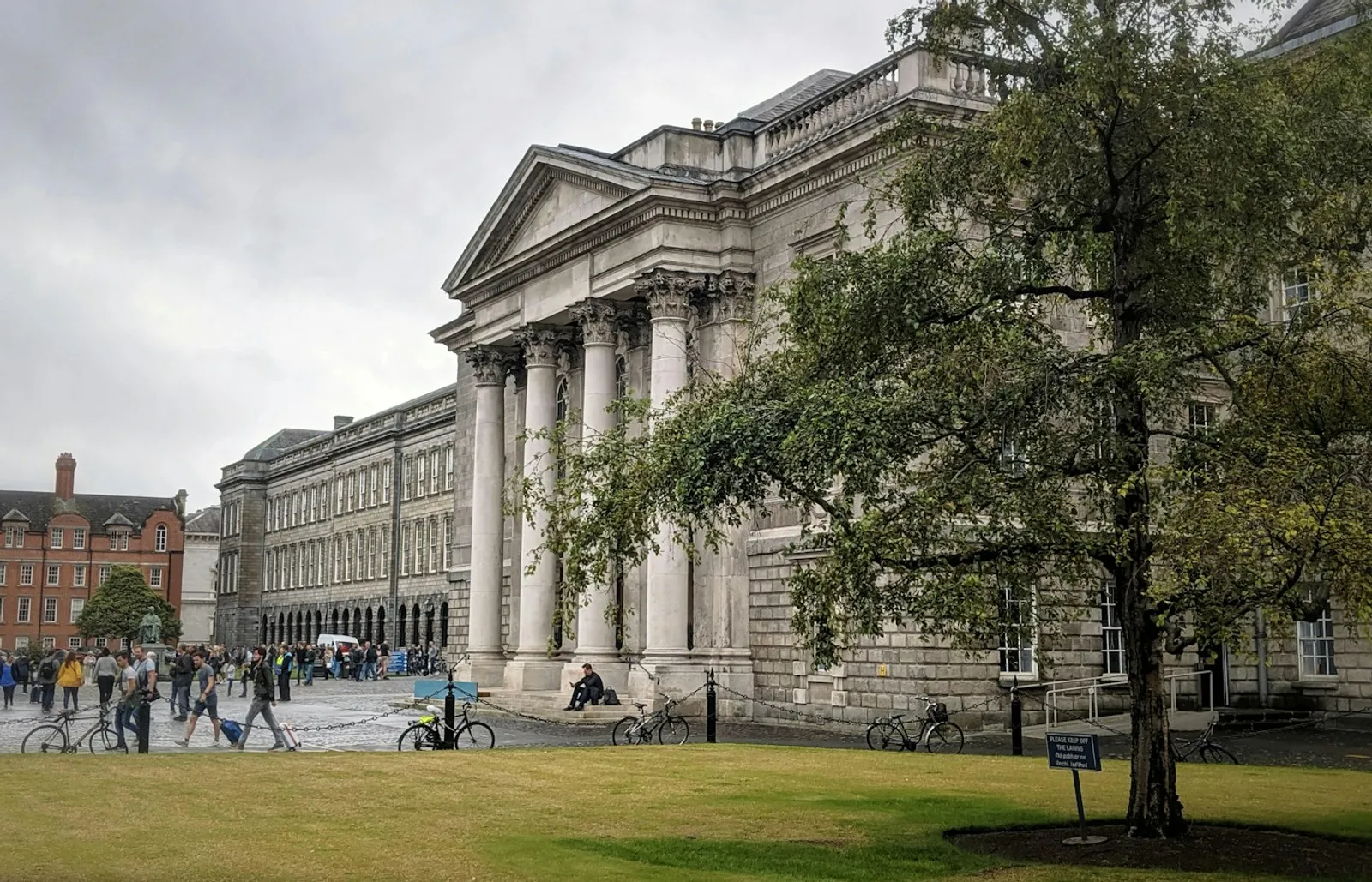
Ireland is a smaller country than the UK, with similar degrees and membership of the European Union. Classes are smaller, lecturers are easy to approach, and the technology and pharmaceutical employers in Dublin are a short tram ride from campus. The one-year master’s is the standard choice, and work placements are common. It rains often, rent in Dublin is very high, and the Indian community is large and growing. English is the only language you need.
How the journey works
Tell us where you want to study, and we will be honest about whether Dublin or a cheaper city such as Limerick, Cork or Galway suits your budget. Shortlisting starts about a year ahead. Applications for September open in the previous autumn, and popular courses close by spring. The documents are transcripts, an English test, a statement of purpose, references and six months of bank statements. The wait from application to offer is usually two to six weeks. The order of steps matters here. You pay at least €6,000 of fees to the university before the visa, the acceptance letter shows that payment, and then you file the long-stay study visa online with the summary-of-finances form. Decisions take about eight weeks, so file by June for a September start. After you land, you register for your Irish Residence Permit and open a bank account.
Money, honestly
A master’s year in Ireland costs roughly €22,000 to €46,000 with fees and living costs together. The €10,000 is a legal minimum, which the immigration service itself describes as an estimate of a student’s living costs. In Dublin, a room alone can cost half of it. The figures leave out the fee instalment of €6,000 or more paid before you know the visa result, private medical insurance for the visa, the residence permit registration fee after arrival, flights, and a rent deposit. Twenty hours a week at Irish wages pays the rent in a smaller city, but it does not pay the fees.
Our honest take
Choose Ireland if you want an English-taught master’s in computing, data, pharmaceuticals or business, with a clear two-year stay-back and a path to European employers. It suits organised students who arrange housing early. Think twice if your budget only works in Dublin, if you cannot pay a large fee instalment before the visa, or if you want to bring family on your student permission. Ireland is a small country, so good work is noticed, and that is a real advantage.
Sources
- Irish Immigration Service Delivery: How to apply for a long stay study visa
- Irish Immigration Service Delivery: Information on student finances
- Irish Immigration Service Delivery: Preclearance and entry visa fees
- Irish Immigration Service Delivery: English language requirements for study visas
- Irish Immigration Service Delivery: Frequently asked questions for students
- Education in Ireland: Undergraduate tuition fees
- Education in Ireland: Postgraduate tuition fees
Figures are estimates, checked November 2026. Rules and fees change; the official pages above are always right when we disagree.
Thinking about Ireland?
Tell us your marks and your budget, and we will tell you honestly whether this country fits.