
 Destinations · Australia
Sunshine, strong universities, and rules that changed in 2026
Australia’s universities rank highly and the quality of life is a real attraction. You may work 48 hours a fortnight while you study, and you gain two to four years of work rights afterwards under the India trade agreement. It is the most expensive country on this list to enter. Since October 2026 you cannot bring a partner or children on a student visa. It suits the right student with the right budget.
The facts, as of November 2026
- Intakes
- February · July
- English
- The visa needs IELTS 6.0 overall, or PTE 50 or TOEFL iBT 64, taken at a test centre rather than at home. Universities usually ask for 6.5 for a master’s and 7.0 for nursing. Check per course.
- Tuition
- AUD 25,000 to 50,000 per yearEstimate as of November 2026, taken from the course fees listed on the Australian Government’s Study Australia course search. Most bachelor’s and master’s degrees fall in this range. Medicine and veterinary science cost more.
- Living
- AUD 24,000 to 35,000 per yearEstimate as of November 2026. The visa’s living-cost figure of AUD 29,710 is a legal minimum, not a budget. Rents in Sydney and Melbourne push real costs above it, and regional cities fall below it.
- Work during study
- Up to 48 hours a fortnight while your course is in session, and unlimited hours during scheduled breaks. Research master’s and PhD students have no limit (Home Affairs, as of November 2026).
- After you graduate
- The Temporary Graduate visa (subclass 485, Post-Higher Education Work stream) gives Indian nationals two years after a bachelor’s, three after a first-class honours STEM bachelor’s or any master’s, and four after a PhD under the Australia-India trade agreement. You must be 35 or under and show IELTS 6.5 (Home Affairs, as of November 2026).
Student visa (subclass 500)
- •Financial capacity, as of November 2026: AUD 29,710 for 12 months of living costs, plus the first 12 months of course fees and AUD 2,000 for travel. Add AUD 10,394 for a partner and AUD 4,449 per child where family is still allowed.
- •Visa application charge: AUD 2,500 from 1 July 2026, non-refundable (Home Affairs Legislation Amendment (2026 Measures No. 1) Regulations 2026).
- •From 2 October 2026 most applicants cannot include a partner or children, family cannot join later, and most student visa holders can no longer apply for another student visa from inside Australia.
- •Genuine Student requirement: you answer written questions of up to 150 words each about why this course, this country and your plans.
- •English tests taken online at home are not accepted. Overseas Student Health Cover is required for your whole stay.
What studying here is like
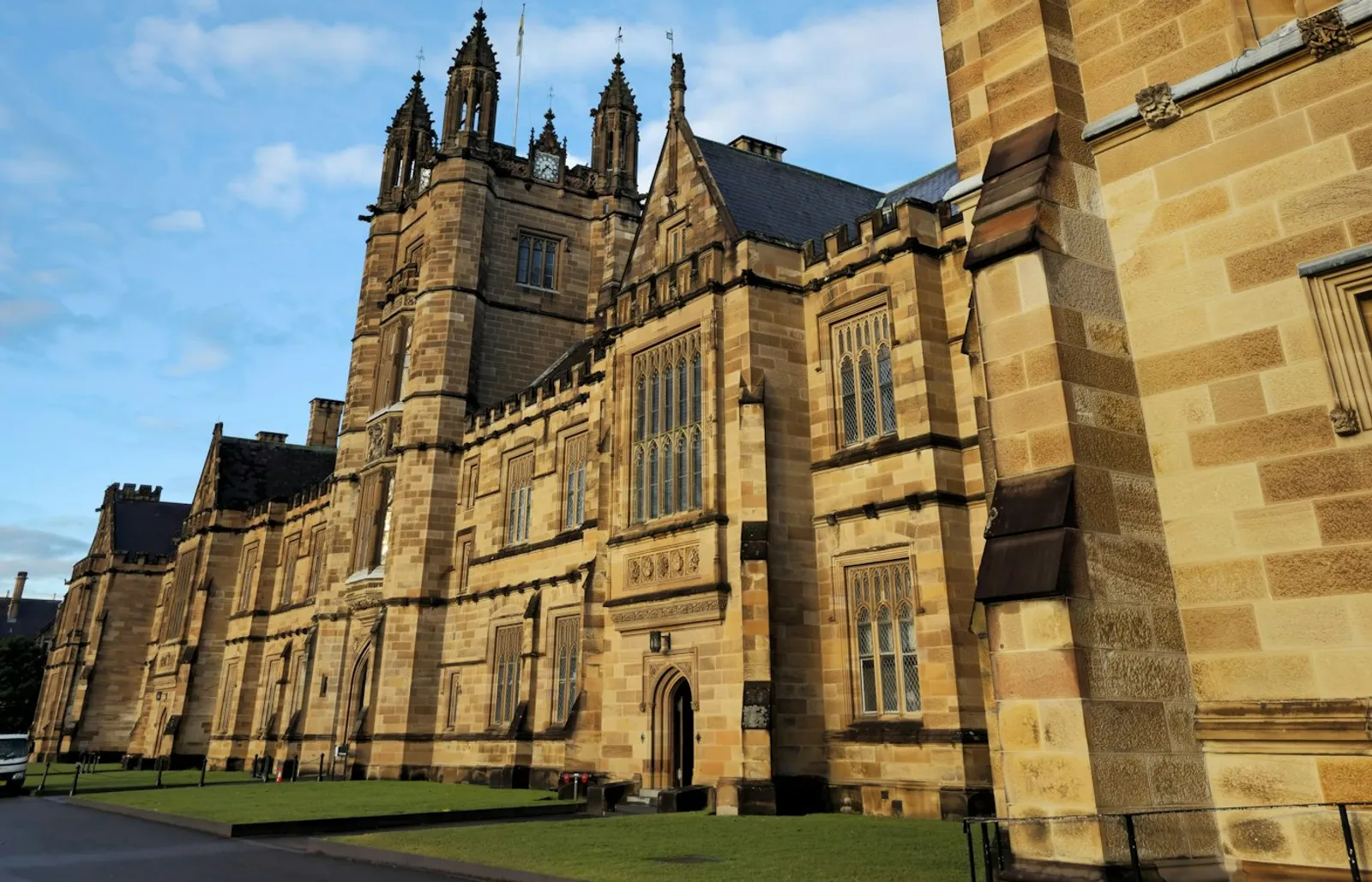
Australian universities are large, well organised and practical. The nursing, engineering and IT schools are strong, and placements and part-time work are a normal part of student life. Campuses in Sydney and Melbourne sit inside busy international cities. Adelaide, Perth and Brisbane are quieter and cheaper. The weather is warm, the distances between cities are long, and the Indian community is large, especially in Melbourne. You will be treated as an adult from the first day, and most students work alongside their degree.
How the journey works
Tell us where you want to study and we will check it against the 2026 visa rules first, because those rules decide who should apply at all. Shortlisting starts about a year ahead of a February or July start. The documents are transcripts, an English test taken at a test centre, a statement of purpose, references and detailed evidence of funds. The wait from application to offer is usually two to six weeks. You then accept the offer, pay the deposit and the health cover, and the university issues your Confirmation of Enrolment. The visa is filed online with your Genuine Student answers, your finances and your health checks. Allow three to four months before the course starts, and longer in the busy season. Arrival is simple: the airport, a tax file number, a bank account, and your first shift at work.
Money, honestly
A year in Australia costs roughly AUD 50,000 to 85,000 with fees and living costs combined. That is before the AUD 2,500 visa charge, flights and health cover. The AUD 29,710 is the amount the government asks you to show, not the amount you will spend. In Sydney, rent alone can use all of it. The figures leave out several costs: Overseas Student Health Cover for the whole course, the first month’s rent and bond, textbooks, and placement uniforms for nursing students. They also leave out the later Temporary Graduate visa, which is a separate and expensive application. Forty-eight hours a fortnight at Australian wages covers living costs in most cities, but it does not cover tuition.
Our honest take
Choose Australia if you are independent, your family can show the money comfortably, and your subject leads to work. Nursing, engineering, IT and allied health are good examples, because the two- to four-year work period under the India trade agreement is a real advantage in those fields. Think twice if you planned to bring your spouse, if losing the visa fee would be a serious loss, or if your plan depends on moving to a cheaper college after you arrive. Australia in 2026 suits students who come to study the course they applied for and can prove it.
Sources
- Department of Home Affairs: Student visa (subclass 500)
- Department of Home Affairs: Changes to Student visa application rules (subclasses 500 and 590)
- Federal Register of Legislation: Home Affairs Legislation Amendment (2026 Measures No. 1) Regulations 2026, explanatory statement
- Department of Home Affairs: Temporary Graduate visa (subclass 485), Post-Higher Education Work stream
- Study Australia: Student visa (subclass 500)
- Study Australia: Course search with tuition fees
Figures are estimates, checked November 2026. Rules and fees change; the official pages above are always right when we disagree.
Thinking about Australia?
Tell us your marks and your budget, and we will tell you honestly whether this country fits.